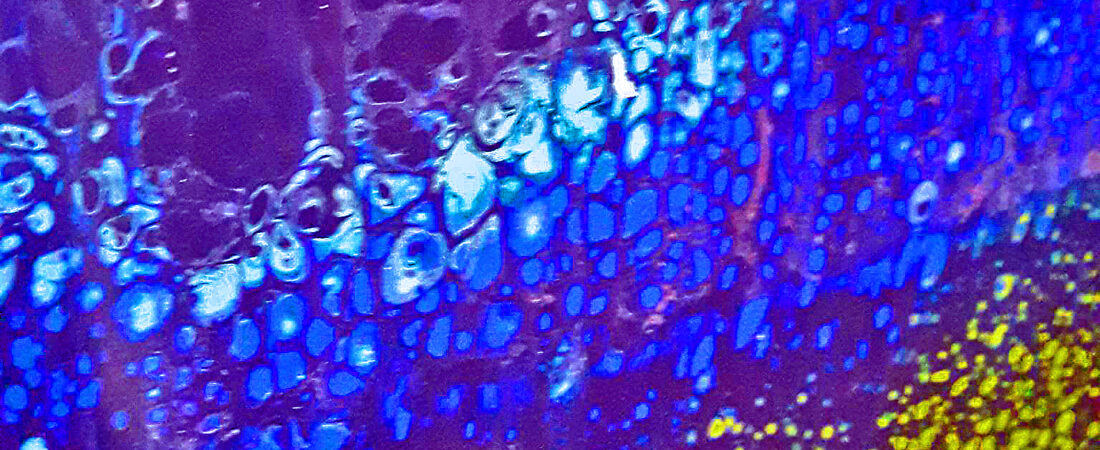
Human-made art carries more than an image. It carries choices, attention, lived experience, and the trace of a particular person making something that did not exist before.
Artificial intelligence has complicated the ways images are created, copied, distributed, and valued. For artists, collectors, publishers, and businesses, clear licensing is becoming increasingly important. A thoughtful license can protect the artist’s intent while giving the buyer practical permission to use the work.
What is art licensing?
Art licensing is permission to use artwork under agreed conditions. The artist generally retains ownership of the original work and associated rights while allowing another person or organization to use it for specific purposes.
A license might cover a book cover, website, product package, promotional campaign, print, textile, educational resource, or other defined use. The details matter: where the art appears, how long it may be used, whether the use is exclusive, which territories are included, and whether alterations are allowed.
Licensing is different from selling an original piece. Buying a painting or digital file does not automatically grant unrestricted commercial rights to reproduce, modify, or redistribute the image.
Why AI changes the conversation
Traditional licensing agreements were not always written with machine-learning systems in mind. Today, an artwork might be uploaded to an automated design platform, used to generate variations, incorporated into a dataset, or processed by a tool whose terms grant broader rights than the user realizes.
Artists and licensees benefit from discussing these possibilities directly. Silence can create confusion. Clear language creates a shared understanding of what the artwork may—and may not—be used for.
Questions every artist should ask
Before agreeing to a license, consider asking:
- What exact product, publication, platform, or campaign will use the artwork?
- Is the use commercial, editorial, educational, personal, or nonprofit?
- How long will the license last, and where will it apply?
- Is the license exclusive or nonexclusive?
- May the artwork be cropped, recolored, animated, or otherwise altered?
- Will the image be uploaded to any generative-AI or machine-learning system?
- May the artwork be used to train, fine-tune, test, or prompt an AI model?
- How will the artist be credited?
- What happens when the license ends?
You do not need to treat every request with suspicion. You do need enough information to make an informed decision.
Questions buyers and creative partners should ask
Responsible licensing also helps buyers. Before using an image, confirm that the person offering the license has authority to do so and that the permitted uses match the project.
If your workflow includes AI-assisted editing, automated resizing, background generation, or other tools, say so. Transparency allows the artist to decide whether the process aligns with their values and helps prevent costly misunderstandings later.
Useful terms for an AI-aware license
Depending on the project, a written agreement may address:
- permission or prohibition regarding AI training and model development;
- permission or prohibition regarding generative variations;
- which technical alterations are allowed;
- whether the work can be uploaded to third-party platforms;
- requirements for attribution;
- human review and approval of modified outputs;
- storage, deletion, and archival expectations; and
- remedies if the artwork is used outside the agreed scope.
This article offers general educational information, not legal advice. Copyright and contract rules vary by jurisdiction and circumstance. For a consequential agreement, consult a qualified attorney who works with intellectual property or creative businesses.
Human authorship is part of the value
Choosing human-made art is not only a technical decision. It is a relationship with a creator. The process can include conversation, context, revision, attribution, and a shared understanding of what the work means.
That relationship deserves language clear enough to survive changing technology. A good agreement does not have to be hostile or complicated. It should make the boundaries understandable to everyone involved.
License art with clarity
If you are interested in artwork created by a human artist and want to discuss responsible use, visit my art licensing page. You can also learn more about my work and the perspective behind it.
Technology will keep changing. The value of consent, attribution, clarity, and human creative agency should not.